

The Dunlin on Kiawah Island: Luxury Hotel Photography in South Carolina

There’s a difference between simply photographing a hotel and translating the feel and aesthetic of a property through hospitality photography.
The Dunlin, tucked into the quiet marshland just outside Kiawah Island, South Carolina, isn’t a property that demands spectacle or rely on excess. And it certainly doesn’t need volume. It invites stillness.
I had an opportunity to visit the Dunlin and captured imagery as I was there, of course. With each property I photography, I learn something new, so I'm sharing that today with you!
As a luxury hotel photographer and hospitality photographer working throughout the Southeast, I’m often asked what makes hospitality photography “luxury.” Is it the linens? The architecture? The lighting?
It’s none of those and all of those at the same time.
Luxury, in photography, is restraint. And, thankfully, the Dunlin understands restraint beautifully. Which means it's imperative that I allow that same restraint to shine through in my photography of the property.
Photographing Luxury on Kiawah Island
Kiawah Island has its own personality. It occasionally gets looped into the Charleston scene, but it's totally different. It centers around nature and has a way of demanding peace. It's a perfect reprieve from the busyness of Charleston and Mount Pleasant. And it's an ideal spot for a weekend getaway or girls' trip for those looking for a slower, more intentional visit.
I say all of this because each component of the island and of the resort itself determine how I choose to shoot, what equipment I use and what specifically I choose to photography to capture the essence of the property.
I approach light as a collaborator, not just a technical variable. Marshland light carries atmosphere. It’s diffused and dimensional. It settles into interiors in a way that feels intentional, and, when used appropriately, it adds a perfect layer of calm to imagery.
When photographing the Dunlin, the goal was not simply to document rooms or amenities. It was to capture how the space feels when you first step into it. Which, being honest, is hard to replicate because if I were to put it into words, the Dunlin feels like a perfect exhale as soon as you arrive.
Hospitality photography doesn't just inform how a property feels, it reassures what we already know to be true of a place. You have to be careful not to create a new or additional identity, but to accentuate the identity that has already been established.
A guest browsing a website late at night should feel something before they ever read a description. The imagery should translate the calm and luxury that that guest will feel upon arrival.
That is the responsibility of a luxury hotel photographer.

The Role of a Hospitality Photographer in Brand Strategy
Many people assume hotel photography is about aesthetics. And of course, aesthetics matter. But true luxury hospitality photography is about alignment.
Does the imagery reflect the level of service? Does it match the pricing? Does it attract the correct guest demographic? Does it elevate the brand positioning?
In competitive markets like Charleston and Kiawah Island, photography is not decorative. It is foundational.
The Dunlin operates in a region where boutique hotels and luxury resorts are increasingly refined. Guests have options. They are visually literate. They scroll quickly.
Which means the photography cannot feel generic and it most definitely cannot look stock. Lastly, it cannot feel transactional. It needs to tell a story.
As a hospitality photographer, I think about longevity. Will these images hold up two years from now? Five? Do they feel editorial rather than trendy? Is the editing timeless?
Luxury hotel photography should feel like it belongs in a magazine spread, not just a booking platform. Which is why I often consider my hospitality photography to be editorial as well.
Editorial Influence in Hospitality Photography
One of the shifts I've noticed happening in luxury hospitality is the move toward editorial-style imagery. Guests don’t want catalog perfection anymore, they want narrative.
For the Dunlin, that meant photographing through doorways instead of always straight on. Allowing shadows to remain rather than overexposing them. Letting fabric move and leaving space in the frame.
Luxury hospitality photography benefits heavily from breathing room. After all, when you arrive, you don't feel overwhelmed or rushed. You have space to breathe. The photography should represent even that smallest detail.
Over-styled rooms feel staged. Under-styled rooms feel unfinished. The sweet spot is subtle intention where everything feels effortless, even though it isn’t. And hear me when I say that staging and arranging is absolutely necessary. Don't let the beauty of the property let you think that it's not!
As a luxury brand photographer based in Savannah, Georgia, my background in editorial storytelling informs how I approach hotel environments. I’m not just asking, “Is this beautiful?” I’m asking, “Does this feel believable?” Why? Because believability builds trust. And trust builds bookings.

Coastal Luxury Without the Cliché
Thank goodness luxury hotels in the Southeast have moved far away from the nautical, coastal-themed interior styling. Many Charleston- and Savannah-area hotels, however, still lean toward the pale blues and neutral palettes.
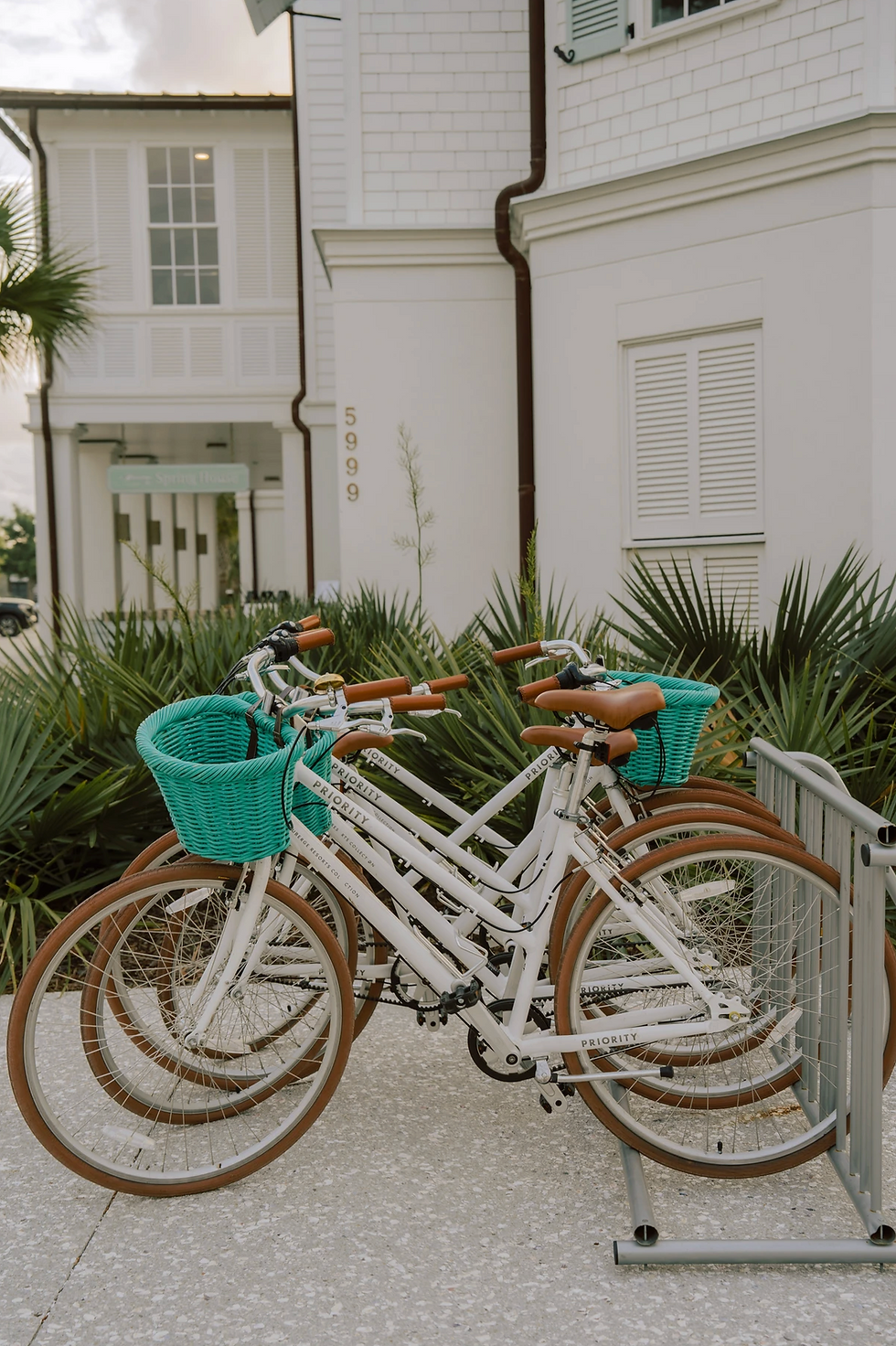
The Dunlin leans in a different direction, though. It creates a complimentary feel to the environment it lives in. Using celadon and rattan hues, the Dunlin feels perfectly unique yet calming.
Photographing luxury hotels in the Southeast requires balance. Natural light can quickly flatten a room or turn overly bright. Preserving shadow depth is what keeps imagery elevated. Contrast adds dimension. Texture adds intimacy.
A luxury hotel photographer must understand how to protect those subtleties. Because the level of service shines through best in the fine details.
The grain of wood. The weight of linen. The way light grazes the edge of a doorway at golden hour.
Those are not accidents. And they shouldn’t be photographed by accident.
Why Luxury Hotels Need Strategic Photography
The modern guest does not book blindly. They examine the gallery. They compare Instagram feeds. They zoom in on details. They look for cohesion.
In markets like Kiawah Island and Charleston, where luxury tourism continues to grow, elevated hospitality photography directly impacts perceived value.
Professional Luxury Hospitality Photography:
Reinforces pricing
Attracts press opportunities
Increases direct bookings
Builds brand equity
Creates consistency across platforms
But beyond metrics, it communicates confidence. When a hotel invests in refined, strategic imagery, it signals that every detail has been considered. The Dunlin’s visual presence reflects exactly that — intentional design paired with thoughtful storytelling.

Photographing Emotion, Not Just Architecture
Anyone can photograph a bed, but not everyone can photograph how it feels to wake up in that bed.
As a hospitality photographer, my responsibility extends beyond architecture. I am translating experience. For The Dunlin, that meant capturing stillness in the early morning. The softness of layered textiles. The quiet intimacy of a reading nook tucked near a window. The warmth of late afternoon light stretching across the marsh.
These moments are not always dramatic, in fact, they rarely are. Luxury hospitality lives in subtlety.
And subtlety requires patience. It requires waiting for light to settle. Adjusting composition by inches rather than feet. Paying attention to negative space.
Because when a potential guest sees that image, they are not evaluating the thread count. They are imagining themselves there. That is the difference between documentation and storytelling.
The Growing Demand for Luxury Hotel Photography in South Carolina
The Charleston and Kiawah Island corridor has become one of the Southeast’s most refined hospitality markets. With increased development and rising design standards, hotels must differentiate themselves through cohesive branding, and photography plays a central role in that.
As a hotel photographer working throughout Georgia and South Carolina, I’ve seen the shift firsthand. Properties are moving away from overly bright, overly filtered imagery toward something more grounded. Which is great as that's the aesthetic I lean toward anyways. A little more editorial, more intentional, more enduring.
The Dunlin embodies that evolution.
Its architecture, interiors, and natural surroundings invite a slower approach to photography. And that slower approach yields images that feel considered rather than rushed.
A Reflection on The Dunlin
Photographing the Dunlin was not about spectacle. Again, it was about restraint.
It was about honoring the softness of marshland light. Respecting the quiet elegance of the interiors. Translating an atmosphere that doesn’t compete for attention.
As a luxury hotel photographer, I’m drawn to properties that understand that power doesn’t always require volume. Sometimes luxury is simply knowing you don’t have to try so hard.
And when hospitality brands embrace that philosophy, the photography becomes something more than marketing. It becomes an invitation to guests.


Comments